Fastest way to remove carbon from the atmosphere.
We enable local economies.
We remove carbon permanently.

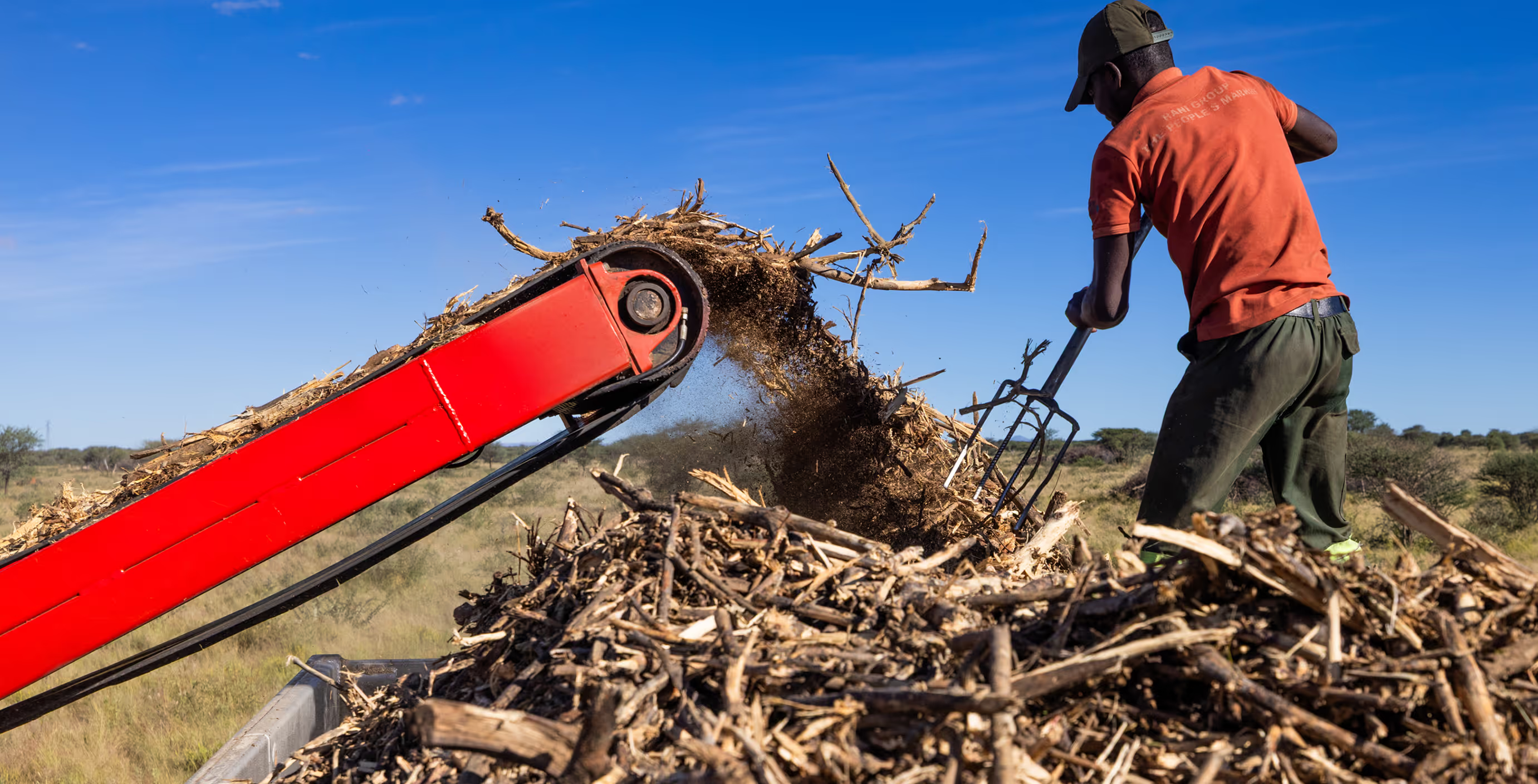
Most waste wood is burned or left to rot – returning its carbon to the atmosphere.
Across the world, large amounts of waste wood have no viable long-term use. In Namibia alone, invasive bush encroaches on roughly 30 million hectares of farmland. Clearing it is necessary. But without a plan for the biomass, it is typically burned in open piles. Each fire releases decades of accumulated carbon in hours.
30M ha
affected by bush encroachment in Namibia
Billions of tonnes
of waste wood generated globally every year
Biomass storage – inspired by nature. Optimized for the climate.
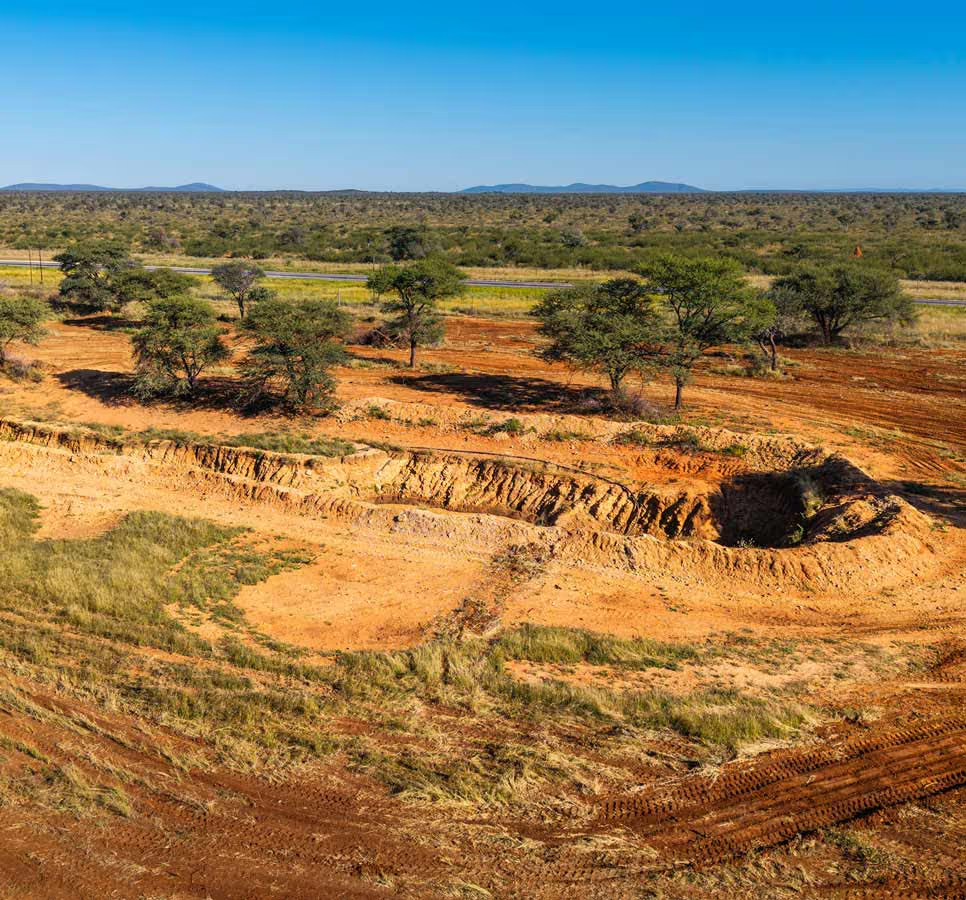
Our approach is called biomass storage - the durable storage of waste wood that would otherwise be burned or decay. We collect suitable woody material, place it in sealed underground chambers, and engineer the conditions so that biological activity is drastically reduced.
The carbon stays locked in the wood for centuries. Sensors monitor the storage continuously, so anomalies are caught early. The trees did the hard work; our job is to make sure the captured carbon stays out of the atmosphere.
From waste wood to verified carbon removal in three deliberate steps.
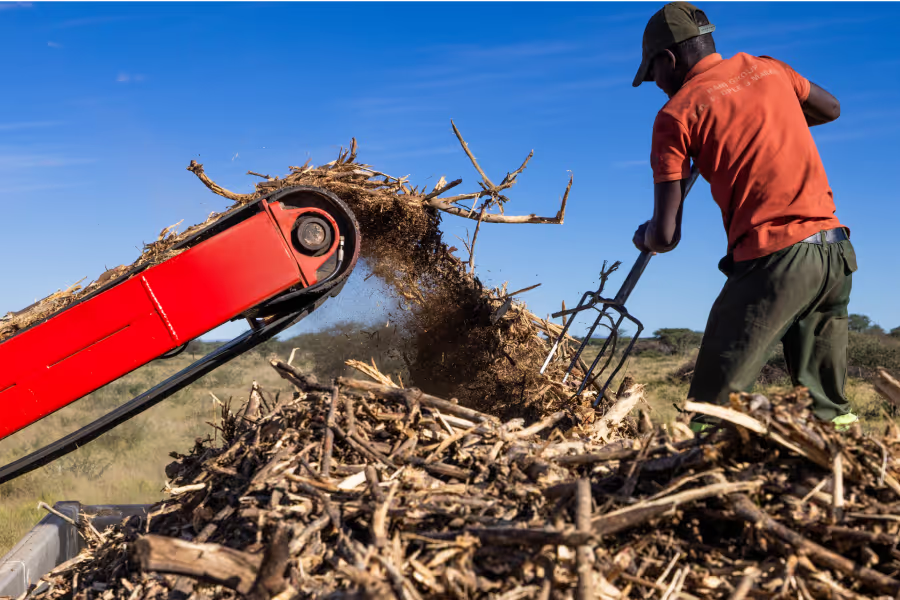
Sustainably harvest woody biomass.
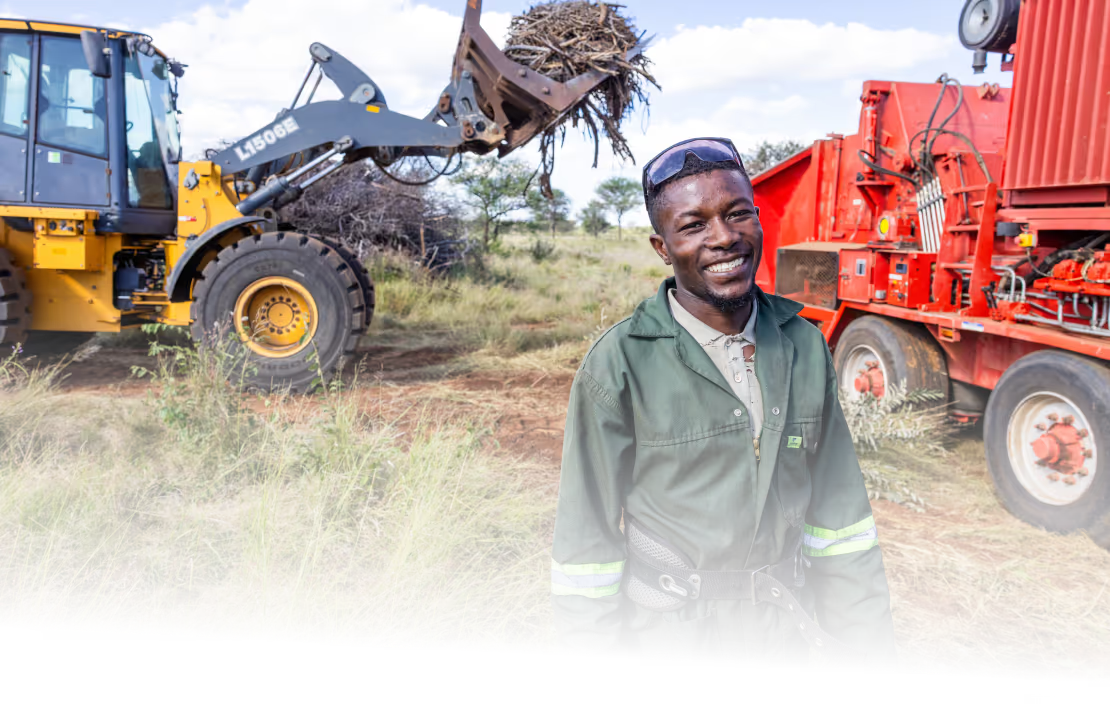
Invasive shrubs, forestry residues and sawmill byproducts that would otherwise burn or decay. We work with landowners and local communities to source material that would otherwise have no economic value.
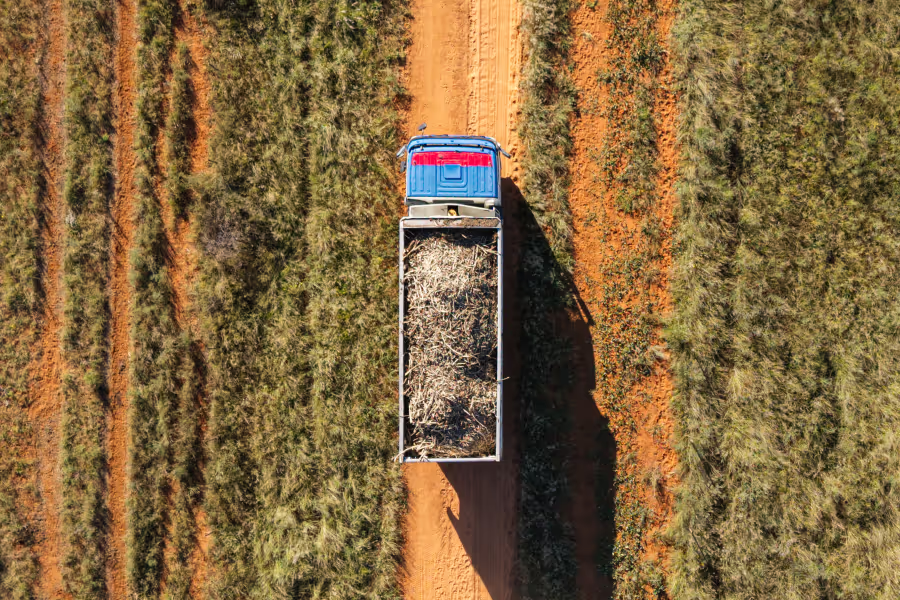
Seal the carbon away, underground.
Biomass is placed in engineered underground chambers and sealed against oxygen and moisture. Without oxygen and moisture, the wood cannot decompose and the carbon remains stored for centuries.

Monitor. Verify. Issue the credit.
Our own MRV sensor network logs storage conditions continuously. Third parties verify the data. Only then does Puro.earth issue carbon removal credits - ex post, after the storage is real.
Two ways to take part.
One outcome: permanent removal.
Invest in Carbon Removal
You have started reducing emissions across your value chain, but residual emissions will remain. Carbon removal helps address these emissions as part of a credible climate strategy - and Carbonsate credits are designed to fit into existing procurement and reporting processes.

Monetize your Waste Wood
Waste wood can generate revenue through carbon removal. If you have access to woody residues - invasive bush, forestry off-cuts, sawmill byproducts - Carbonsate handles feasibility, project setup, MRV, certification and credit sales. No prior experience needed.
Trust creates impact. Here is what our credits are made of.
Our credits stand for genuine, permanent carbon removal. Transparent, verifiable, with the highest quality standards - and never a substitute for emission reductions.
Additional
Our projects change what would happen otherwise. Without storage, this wood would decay or burn – returning its carbon to the atmosphere. Our projects interrupt that cycle permanently.
Verified
Carbon removal follows established, science-based standards. Independent third parties audit every project and Puro.earth certifies the project before a single credit is issued.
Transparent
Measurement, reporting and verification (MRV) are built in. Our sensors stream continuous, auditable proof of storage integrity over time - publicly accessible, not locked in a PDF.
Long-Term Storage
Designed for long-term durability under controlled conditions. Certified for ≥100 years by Puro.earth; engineered to remain stable for centuries beyond that.
Regenerating the savanna. Storing carbon for centuries.
In Namibia, invasive bush encroachment affects up to 30 million hectares of farmland - about 30% of the country's land area. Clearing it is necessary. Carbonsate makes sure the cleared biomass becomes climate impact, not smoke.
Our work builds on bush-clearing research conducted by the Namibian Ministry of Agriculture and GIZ.
799 t
CO₂ stored, Phase 1
100k+ t
Site potential
Q1 2025
Active since
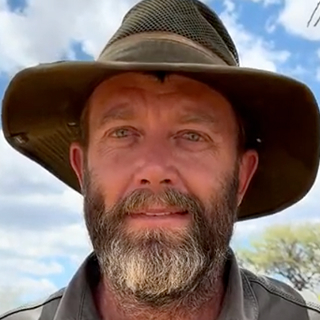
"We never thought we could launch a climate project. Carbonsate made it possible - and made it real."
Farmer in Namibia
What our partners often wanna know beforehand
What biomass storage is and is not
Biomass storage is a form of carbon removal. It keeps carbon that plants have already taken from the atmosphere stored so it does not return. This is different from many offsetting projects that focus on avoiding or reducing future emissions rather than removing existing carbon.
No. Biomass storage is not a substitute for emission reductions. Durable carbon removal is a necessary complement to reductions in any credible climate strategy, especially for emissions that are difficult to avoid. Addressing carbon removal early helps organizations plan realistically for long-term climate goals.
Environmental safety and unintended consequences
In many cases, waste wood cannot be used for long-lived products and would otherwise rot or be burned. Biomass storage focuses on unutilized low-quality material and prevents the carbon it contains from returning to the atmosphere. Where higher-value or long-lived uses are possible, they should take priority.
Biomass storage sites are designed to isolate the stored wood from surrounding soil and groundwater. Sealing materials and site selection follow established environmental protection practices, and conditions are monitored over time. This minimizes environmental risks while enabling long-term carbon storage.
Permanence, durability, and risk
Biomass storage is designed for long-term durability. Storage conditions are monitored continuously, so any changes would be detected early and addressed in time. Because carbon is stored in solid form, not as gas or liquid, any potential release would occur slowly rather than all at once.
In principle, yes, but there is little incentive to do so. The stored material is low-quality waste wood with no economic value, and accessing it would require significant effort because the storage is sealed. Storage sites are monitored, so any disturbance would be detected early and addressed.
Scientific basis and verification
Yes. Biomass storage builds on well-understood biological and physical principles and is implemented using a science-based methodology. Each project applies measurement, reporting, and verification (MRV) to monitor storage conditions and quantify carbon removal over time.
Our carbon removal projects are verified by independent third parties following established carbon removal standards. Puro acts as the certification body, defining the methodology and overseeing third-party verification before any carbon removal credits are issued.
For those with waste wood
Biomass storage uses woody waste material that would otherwise rot or be burned. Other types of biomass, such as agricultural residues or food waste, are not suitable for this approach. Using waste wood avoids removing nutrients from ecosystems while enabling durable carbon storage.
Getting started begins with a feasibility assessment of the available waste wood and site conditions. Carbonsate provides the technology, methodology, monitoring systems, and access to certification and carbon removal markets. You do not need prior experience with carbon projects.