Namibia:
The Otjiwarongo Project
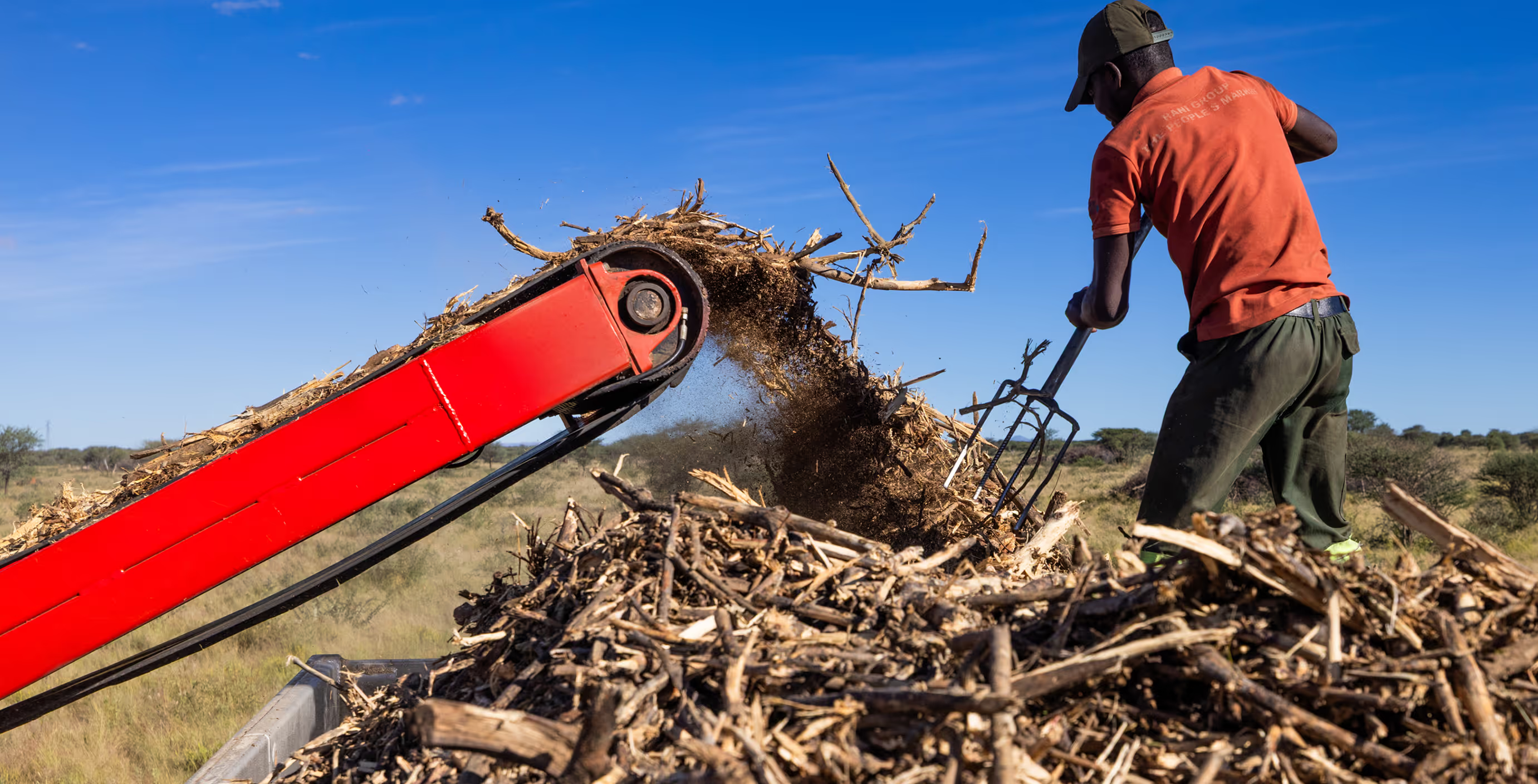
Clearing the bush is necessary. Burning it shouldn't be the default.
In Namibia, invasive bush encroachment affects up to 30 million hectares of farmland – about 30 percent of the country's land area – with severe consequences for agriculture, biodiversity, and groundwater.
Clearing this bush is necessary. But without a plan for the biomass, it is typically burned or left to rot, releasing its stored carbon back into the atmosphere.
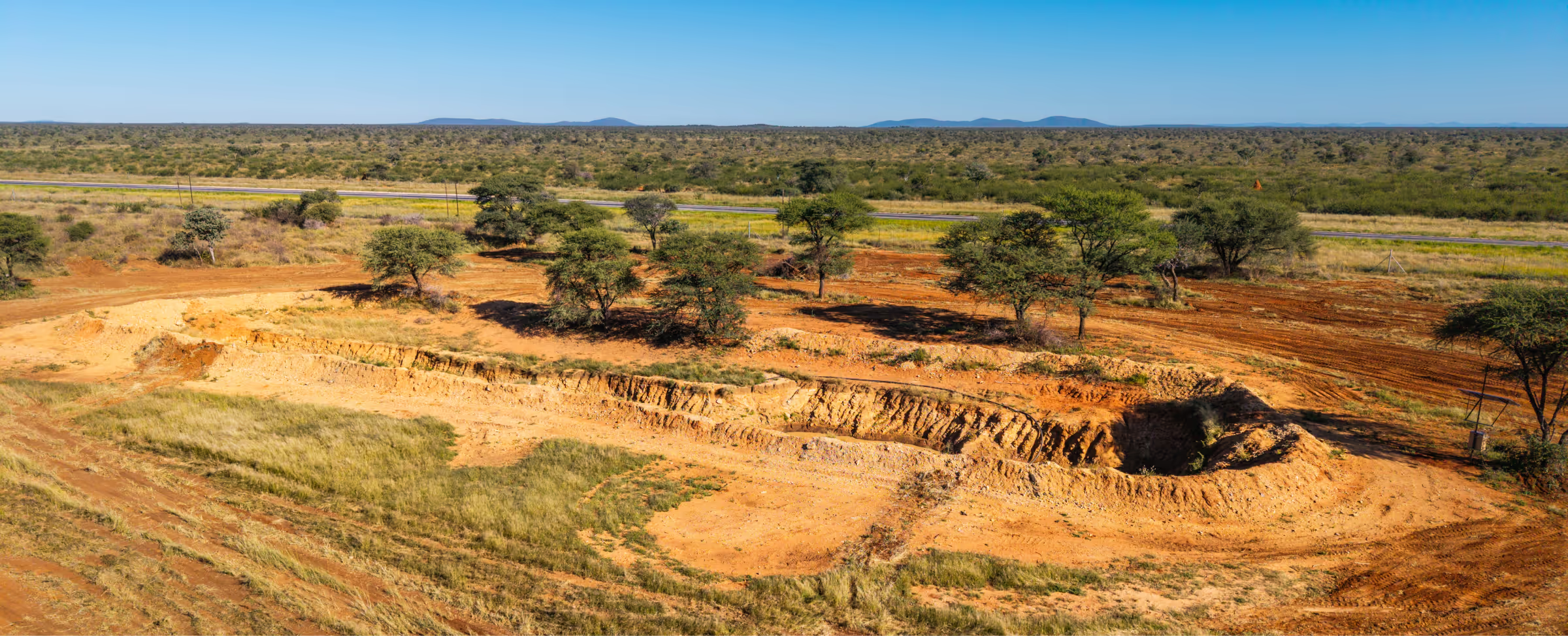
Carbonsate changes that. We work with local communities to collect the cleared biomass and store it permanently in sealed, oxygen-free underground chambers. The carbon stays locked away for over 100 years – and the land can regenerate.
This work builds on a well-established foundation: bush clearing in the region has been researched and implemented in collaboration with the Namibian Ministry of Agriculture and the German Society for International Cooperation (GIZ).
One project, three kinds of impact.
Carbon is stored in the ground
Instead of burning or decaying – which would release CO₂ - the biomass is permanently stored. Each tonne of wood becomes a verified CO₂ removal credit, certified by Puro.earth.
The savanna recovers
Removing invasive shrubs restores the natural savannah ecosystem, improves soil fertility, and support groundwater recovery.
Income where it's scarce
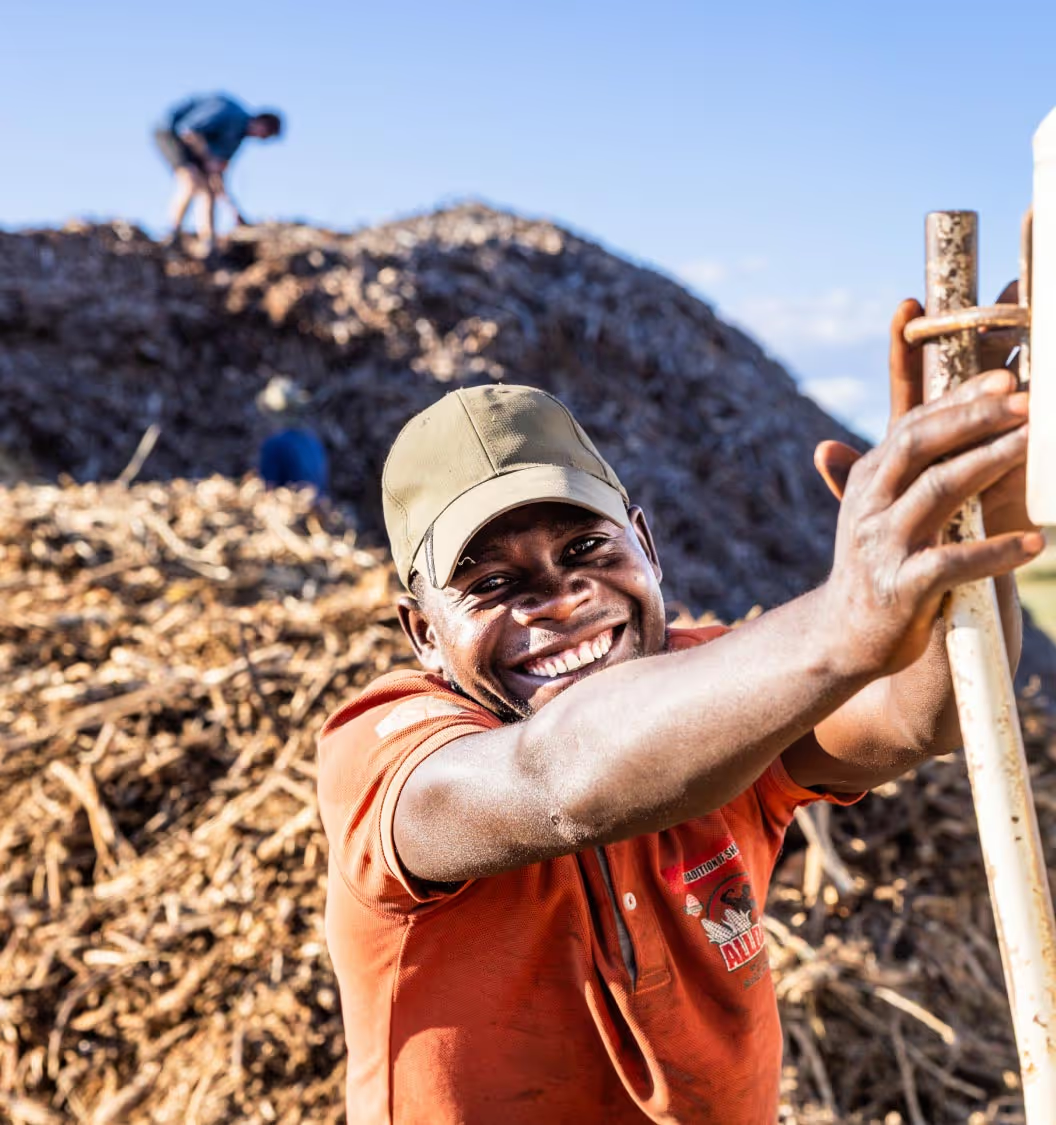
We buy surplus biomass directly from local landowners and communities, creating income and jobs where only a few alternatives exist.
Harvest. Store. Verify.
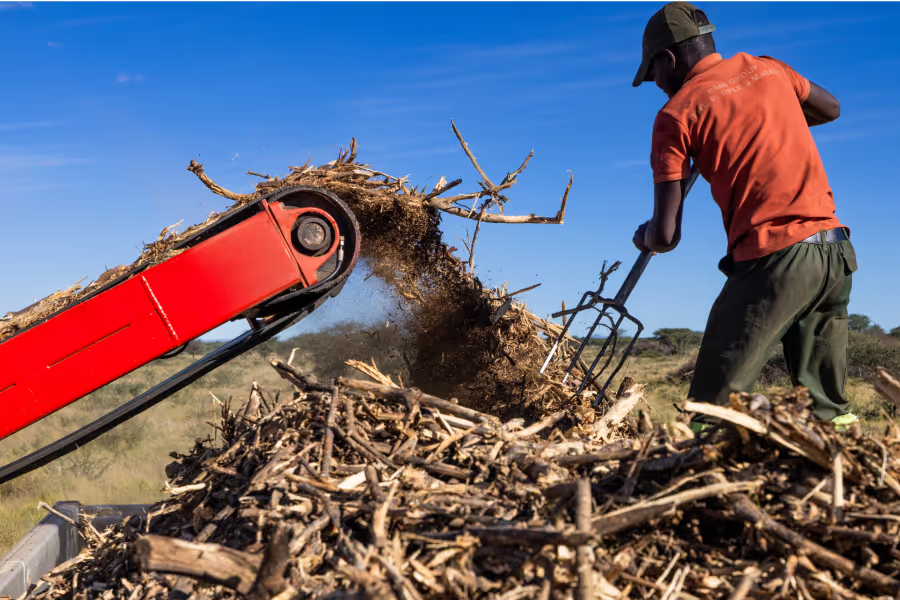
Sustainable Harvesting
Invasive shrubs are selectively cleared to promote biodiversity and soil fertility. Work that needs to happen regardless of our project.
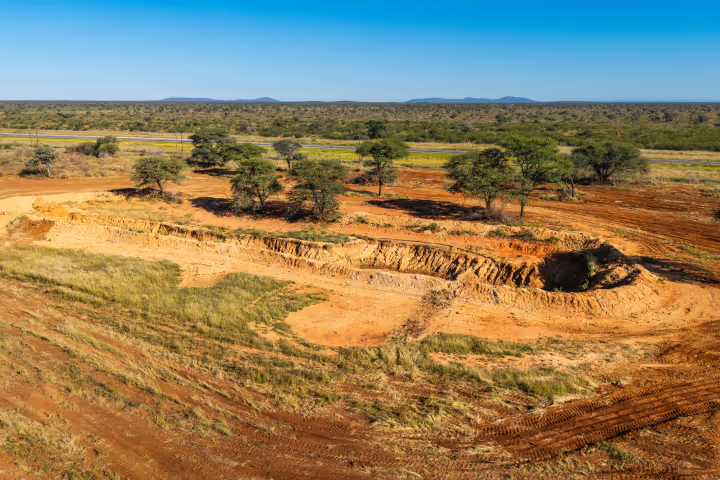
Permanent Storage
The biomass is stored in sealed, oxygen-free underground chambers. No burning. No decay. No CO2 release.
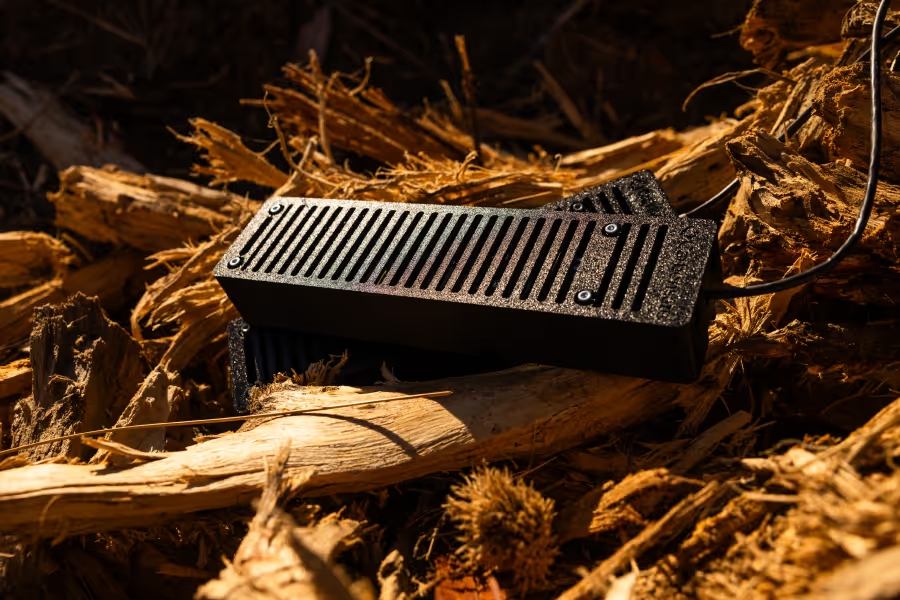
Monitoring & Certification
Sensors continuously measure storage conditions (CO₂, O2, CH4, temperature, and moisture). Every tonne is independently verified and certified by Puro.earth before a credit is issued.
Otjiwarongo, at a glance.
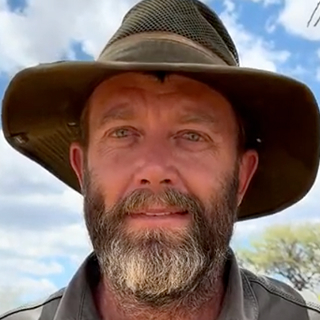
"We never thought we could launch a climate project. Carbonsate made it possible - and made it real."
Farmer in Namibia