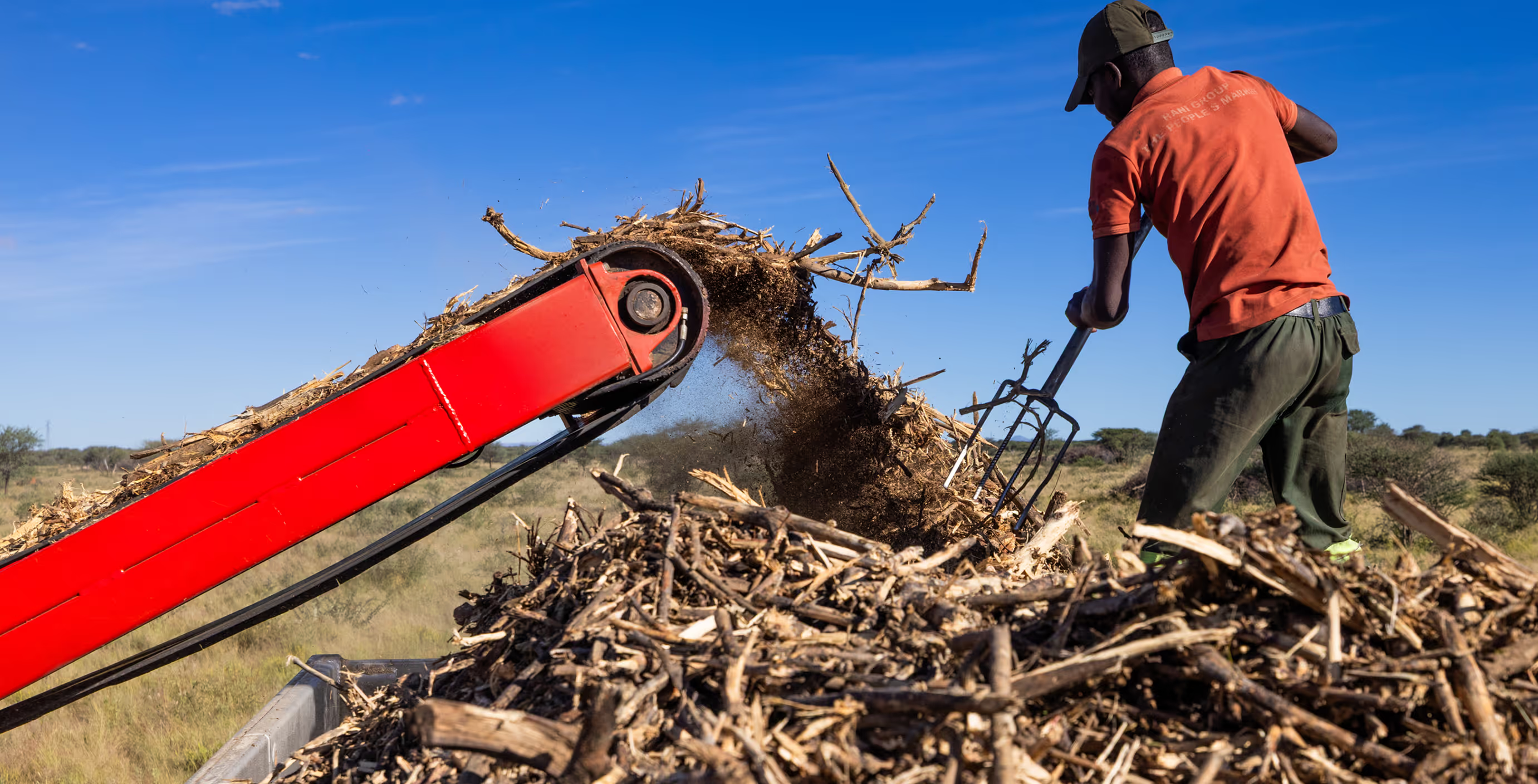
Turn your waste wood into climate impact – and income.
Carbonsate guides you from unused biomass to certified carbon credits through biomass storage. Even if you have never done it before.
Proven on the ground, not on paper.



From waste wood to certified carbon credits in three steps.
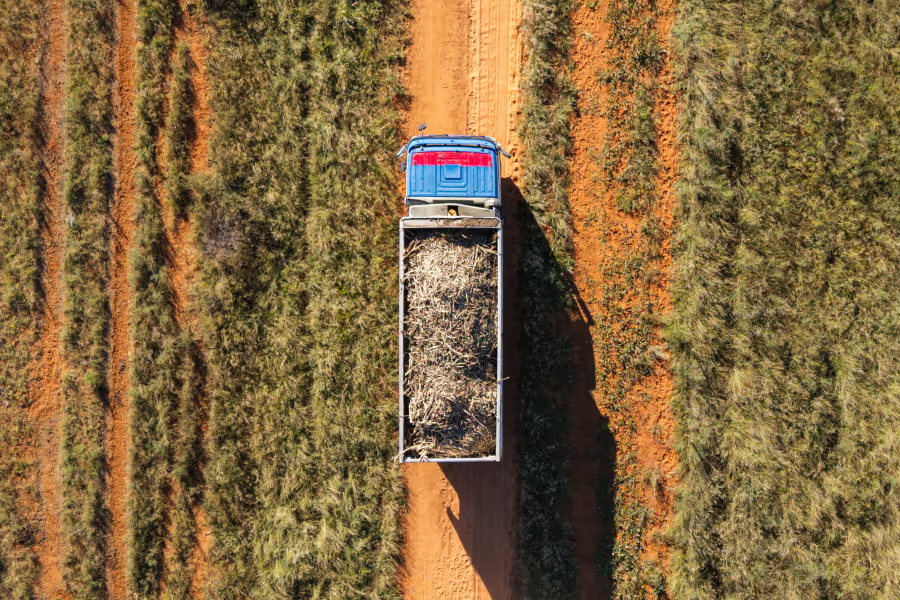
Find out if your biomass qualifies
Answer a few simple questions about your material and site. We will tell you whether your waste wood could be eligible for a biomass storage project.
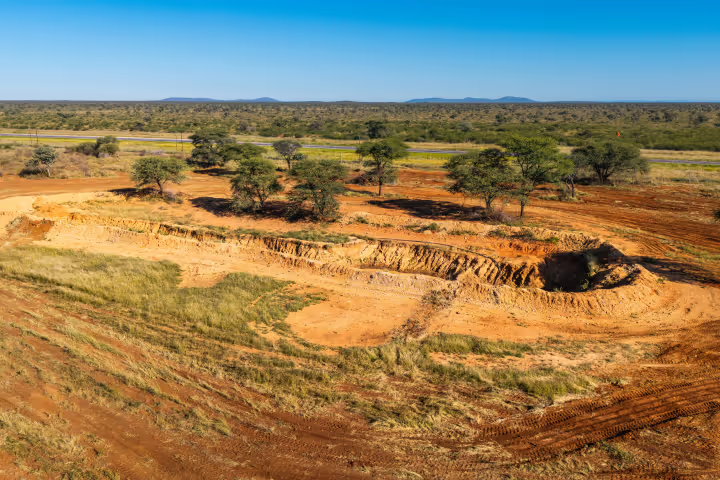
Get guided through the process
From project setup and certification to monitoring, reporting and verification (MRV), we guide each step. No expertise needed. No surprises.

Launch and earn
Your project generates verified carbon removal credits, ready for sale to buyers and funders.
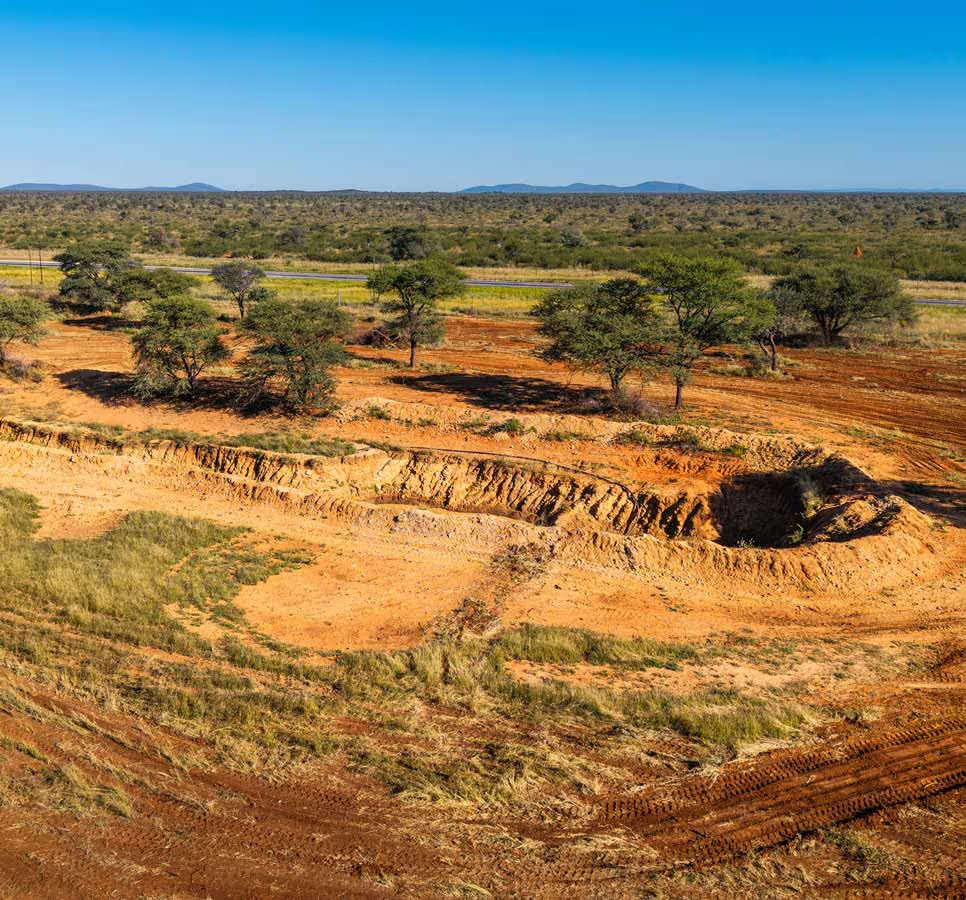
Waste today. Permanent carbon removal tomorrow.
1 – Turning waste into permanent storage
To reach net-zero, reducing emissions is no longer enough. We must also remove CO₂ from the atmosphere. Carbonsate takes waste wood that would otherwise decay or burn and stores it in sealed underground chambers, permanently sequestering the carbon for over 100 years.
2 – From stored CO₂ to carbon credits
The stored CO₂ is scientifically monitored and independently certified. The resulting carbon credits can be sold to companies seeking to address their residual emissions through verified, permanent carbon removal.
3 - The opportunity for landowners and biomass holders
Carbonsate enables you to turn unused land and low-quality biomass into a certified removal project. The method is scientifically sound, space-efficient, and can be combined with other land uses.
Built to be worth it, practically and financially.

Revenue within two years
Projects are structured so revenue can be generated within roughly two years of starting.

Full technical support
Technical support from Carbonsate throughout the entire process - from feasibility to issuance.

Combine with solar PV
Storage sites are compatible with solar PV - climate impact and energy in one footprint.

Rapid implementation
No complex industrial infrastructure required, so projects move quickly from plan to ground.

Verified climate impact
Every credit follows a certified, science-based methodology and independent verification.
Four phases, one outcome.
Site assessment & planning
We check biomass, site conditions and permitting before anything is built.
Biomass storage & site sealing
Woody material is placed in engineered chambers and sealed against oxygen and moisture.
Monitoring & certification
Solar-powered sensors log conditions; results are independently verified by Puro.earth.
Sale of carbon credits
Issued credits are brought to market through established sales channels.
Key technical data
> 100 years certified permanence
20,000+ tCO₂ on a single hectare
Solar-powered MRV sensor network
Solar, pasture, biodiversity areas
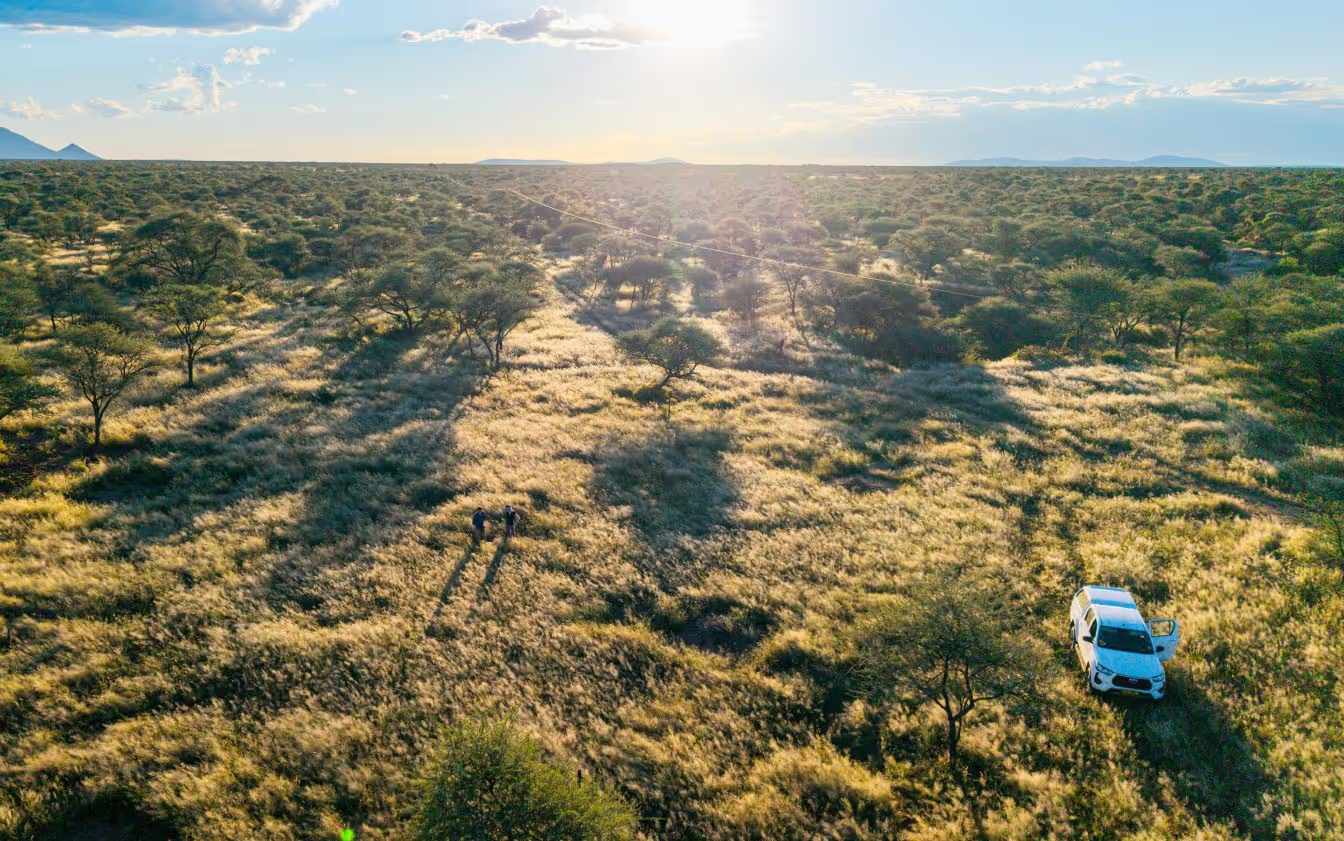
Your land and biomass, our implementation.
Project economics vary with site conditions, biomass volume, and market prices. In a typical project - for example in Africa - the landowner provides land and biomass, while Carbonsate handles implementation, certification, and the issuance of carbon credits.
We'll model your specific potential as part of the feasibility assessment - no carbon-market experience required.
Everything you need to know about launching a carbon removal project, clearly explained and ready to download. Available immediately after registration.
"Carbonsate made it possible and made it real."
Farmer in Namibia
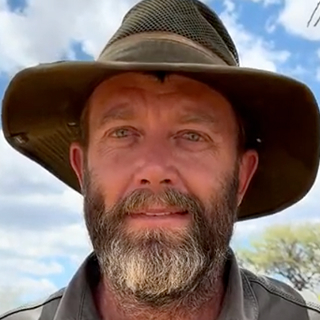
"We never thought we could launch a climate project."
Carbonsate made it possible - and made it real. For landowners and biomass holders, an ecological problem becomes a durable source of income.
Everything landowners want to know.
Biomass storage uses low-quality waste wood that has no higher-value material use. Suitable examples include forestry residues, encroaching shrubs, sawmill residues, and other untreated wood waste that would otherwise be burned or left to decompose. An important criterion is what would happen to the wood without the project, because biomass storage focuses on material with no viable alternative use.
No. Biomass storage is intentionally limited to woody biomass. Agricultural residues, food waste, or other nutrient-rich organic materials are not suitable because they decompose quickly and play an important role in natural nutrient cycles. Removing these materials could disrupt ecosystems rather than protect them.
Feasibility depends on site-specific factors such as available land, access, local conditions, and permitting. The site needs to allow for long-term use and monitoring, but does not require complex infrastructure. Carbonsate performs an initial feasibility check to help determine whether the location is suitable before moving into project development.
A viable project typically has a reliable stream of waste wood, sufficient volumes, and a site that can be used over the long term. Economic viability depends on project scale, local costs, and the ability to repeat projects over time. Biomass storage works best where waste wood is already part of existing operations and handling processes.
Projects usually start with small-scale tests to assess the biomass and site conditions. If the results are positive, this is followed by a commercial pilot project that already produces the first carbon credits. From there, projects can be repeated or scaled once the approach is proven locally.
Carbonsate guides you through the full biomass storage project lifecycle, from early feasibility and eligibility checks to implementation and certification. We provide the technology, methodology, monitoring systems, and hands-on support needed to run the project reliably. You focus on what you already know best: providing access to waste wood, land, and local operations. The process is designed to be practical and well supported at every step.
No prior experience with carbon projects or project development is required. Carbonsate guides you step by step, from the first feasibility check to implementation and verification. You do not need to know how to design or run a biomass storage project. Your role is simply to bring local context and access to waste wood, while we provide the structure, guidance, and technical framework.
Yes. If you have a continuous stream of suitable waste wood, biomass storage can be implemented repeatedly over time. While each project is developed and certified individually, you can build multiple projects as long as biomass remains available. This allows biomass storage to become a recurring source of revenue rather than a one-off activity.
Carbonsate works with partners in multiple regions wheresuitable waste wood and project conditions are available. The approach isgeographically flexible and does not depend on centralized infrastructure. Eachpotential project is assessed individually to ensure it fits local conditions,regulations, and certification requirements.
Yes. Carbonsate supports you in bringing verified carbon removal credits to market. This includes structuring the project for certification and connecting credits to buyers through established sales channels. The goal is to ensure that projects can generate revenue without requiring you to navigate carbon markets on your own.